QUANT

Conference Keynote Speakers

QUANCOM 2026 – International Conference on Quantum Computing Infrastructure & Technologies

Distinguished plenary speakers from academia and industry presenting visionary research on quantum computing, cloud platforms, and emerging digital technologies.

Plenary Speakers

Featured Keynote Presentations

Leading researchers and innovators sharing their vision on quantum computing infrastructure, distributed systems, and emerging technologies at QUANCOM 2026, Trento, Italy.

1 Keynote / Plenary
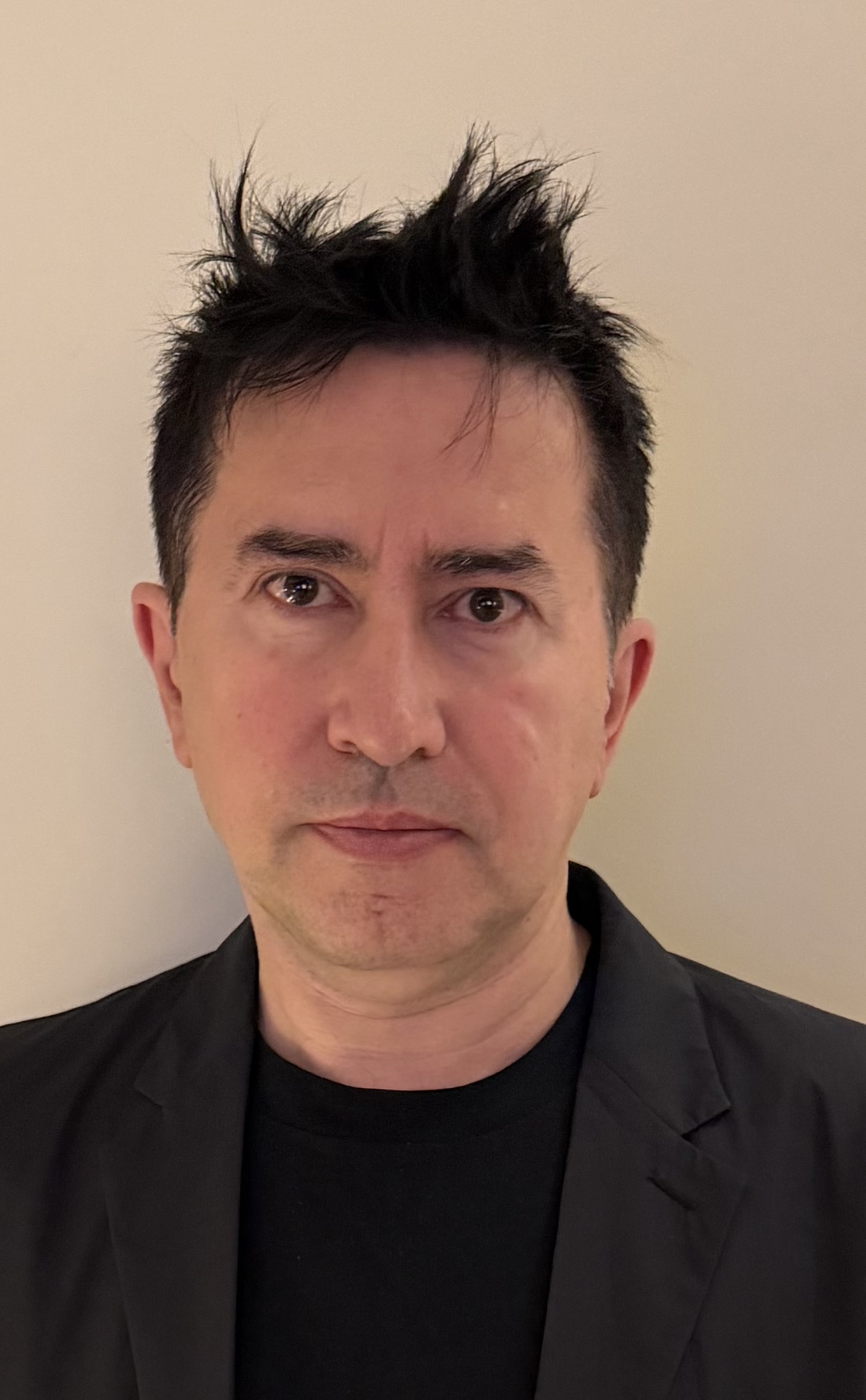
Portrait of Prof. Rajkumar Buyya

Keynote 1

Prof. Rajkumar Buyya

  • Fellow of ACM, IEEE, and Academia Europaea
  • Director, Cloud Computing and Distributed Systems (CLOUDS) Lab, The University of Melbourne, Australia
  • CEO, Manjrasoft Pvt Ltd, Melbourne, Australia
Keynote Title

iQuantum: Innovative Software Systems for Next-Gen Quantum Computing

Abstract

Quantum computing is emerging as a new paradigm for tackling mission-critical problems, such as logistics (optimization of complex supply chains) and defence (weapon-asset pairing), beyond the reach of classical computing systems. Yet achieving scalability and reliability in the current "Noisy Intermediate-Scale Quantum" (NISQ) era remains difficult due to decoherence, limited error correction, and declining gate fidelity as systems grow. In addition, Quantum software engineering is still in its infancy with many challenges, especially dealing with the diversity of Quantum programming languages and hardware platforms. To alleviate these challenges, our iQuantum Initiative at the University of Melbourne is investigating fundamental research challenges and developing software systems and tools for the advancement of Quantum Computing paradigm by supporting (1) rapid creation of applications and their deployments and (2) modelling and simulation of quantum computing environments. This keynote explores architectural frameworks, algorithms, and software systems needed to build scalable, efficient, and reliable quantum computing environments. This keynote presentation will cover (a) 21st century vision of computing and identifies various emerging IT paradigms, (b) innovative architecture for creating scalable and reliable Quantum computing environment, (c) QFaaS: A Serverless Function-as-a-Service Framework for crating and deploying Quantum applications across multiple Cloud-based Quantum computing systems, (d) iQuantum Simulation Toolkit for modelling and simulation of Quantum environments for evaluation of quantum task mapping algorithms, and (f) new directions for emerging research in integrated edge-cloud-quantum computing.

Biography

Dr. Rajkumar Buyya is a Redmond Barry Distinguished Professor and Director of the Quantum Cloud Computing and Distributed Systems (qCLOUDS) Laboratory at the University of Melbourne, Australia. He is also serving as the founding CEO of Manjrasoft, a spin-off company of the University, commercializing its innovations in Cloud Computing. He has authored over 850 publications and seven textbooks including "Mastering Cloud Computing" published by McGraw Hill, China Machine Press, and Morgan Kaufmann for Indian, Chinese and international markets respectively. Dr. Buyya is one of the highly cited authors in computer science and software engineering worldwide (h-index=181, g-index=394, i10-index=885, and 172,300+ citations). A bibliometric study by Stanford University and Elsevier since 2019, Dr. Buyya is recognized as the Highest-Cited author in the Distributed Computing field worldwide. He graduated 66+ PhD students who are working in world-leading research universities and high-tech companies such as Microsoft, Google, and IBM. He has been recognised as an ACM Fellow, IEEE Fellow, Fellow of the Academy of Europe, a "Web of Science Highly Cited Researcher" for seven times since 2016, the "Best of the World" twice for research fields (in Computing Systems in 2019/2024 and Software Systems in 2021/2022/2023) as well as "Lifetime Achiever" and "Superstar of Research" in "Engineering and Computer Science" discipline twice (2019 and 2021) by the Australian Research Review. Software technologies for Grid, Cloud, Fog, Quantum computing developed under Dr.Buyya's leadership have gained rapid acceptance and are in use at several academic institutions and commercial enterprises in 60+ countries around the world. Manjrasoft's Aneka Cloud technology developed under his leadership has received "Frost New Product Innovation Award". He served as founding Editor-in-Chief of the IEEE Transactions on Cloud Computing. He is currently serving as Editor-in-Chief of Software: Practice and Experience, a long-standing journal in the field established in 1970. He has presented over 750 invited talks (keynotes, tutorials, and seminars) on his vision on IT Futures, Advanced Computing technologies, and Spiritual Science at international conferences and institutions in Asia, Australia, Europe, North America, and South America. For further information on Dr.Buyya, please visit his cyberhome: www.buyya.com
2 Keynote / Plenary
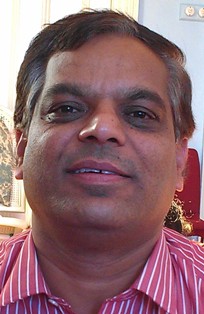
Portrait of Dr. Sukhpal Singh Gill

Keynote 2

Dr. Sukhpal Singh Gill

Queen Mary University of London, U.K.

Keynote Title

The Future of Quantum Computing: From Quantum Cloud Platforms to Intelligent and Sustainable Solutions

Abstract

Quantum computing is emerging as one of the most transformative technologies of the 21st century, with the potential to reshape computation, artificial intelligence, scientific discovery, and critical industries. This keynote provides an overview of the evolving quantum computing landscape, highlighting major advances, challenges, and future opportunities across hardware, software, algorithms, and quantum ecosystems. The talk will discuss the transition from theoretical promise toward practical quantum applications, including the role of quantum cloud platforms in enabling accessible and scalable quantum resources. The presentation will further explore emerging directions at the intersection of quantum computing, artificial intelligence, and sustainable innovation. In particular, it will highlight research perspectives on quantum cloud computing and quantum AI approaches for addressing complex challenges such as climate change. Finally, the keynote will discuss future research pathways, including the convergence of quantum technologies with intelligent systems, secure computing, and next-generation digital infrastructure, drawing insights from recent research developments and future directions in the field.

Biography

Dr. Sukhpal Singh Gill is an Assistant Professor of Cloud Computing at the School of Electronic Engineering and Computer Science, Queen Mary University of London, UK. His research focuses on emerging computing technologies, including quantum computing, quantum cloud computing, edge AI, cloud computing, and sustainable intelligent systems. He has held research positions at leading international institutions, including postdoctoral research roles at Lancaster University and the CLOUDS Laboratory at the University of Melbourne. He serves in editorial roles for international journals and conferences and has contributed extensively to advancing next-generation computing research. He has authored and co-authored numerous research articles and books, with his recent work focusing on quantum computing, quantum AI, and future intelligent and sustainable computing ecosystems. His research impact is reflected through over 18,000 citations and a Google Scholar h-index of 67. His research contributions have been highlighted by IEEE Spectrum and international technology media.

3 Keynote / Plenary
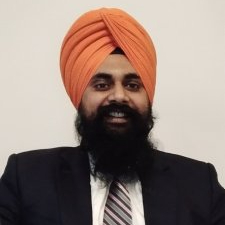
Portrait of Professor Raian Ali

Keynote 3

Professor Raian Ali

Hamad Bin Khalifa University, Qatar

Keynote Title

Digital Addiction: From Social Media to AI

Abstract

This talk explores the parallels between established forms of problematic technology use, including social media and online gaming and gambling, and the emerging phenomenon of problematic AI use, particularly involving Large Language Models (LLMs). Drawing on recent research on AI dependency, AI apprehension, trust calibration, explainability, and persuasive technology, the talk discusses how Generative AI systems can influence human cognition, decision making, and behaviour. It further considers how such systems can be designed and governed to support conscious, balanced, and human-centred use, while mitigating the risks of overreliance and unhealthy dependency.

Biography

Dr Raian Ali is a Professor and UNESCO Chair in Digital Technologies and Human Behaviour. He is also a Visiting Professor at Bournemouth University, UK, and The Education University of Hong Kong. He received his PhD from the University of Trento, Italy, in 2010, and has held academic positions at the University of Limerick, Ireland, and Bournemouth University. He obtained his first degree from Latakia University, Syria. His research focuses on the intersection of technology and human behaviour, with an emphasis on digital addiction, responsible technology use, and the impact of design on wellbeing. He serves on the Steering Committee of the Persuasive Technology Society and the International Conference on Behavioural and Social Computing, and is on the editorial boards of journals including Behaviour and Information Technology, Journal of Responsible Technology, and Human-Centric Artificial Intelligence. He leads the $3.8 million Digital Citizenship Cluster in Qatar, involving multiple projects, over 15 national and international partners, and a team of more than 50 researchers and staff. He also provides consultancy at national and international levels.

4 Keynote / Plenary
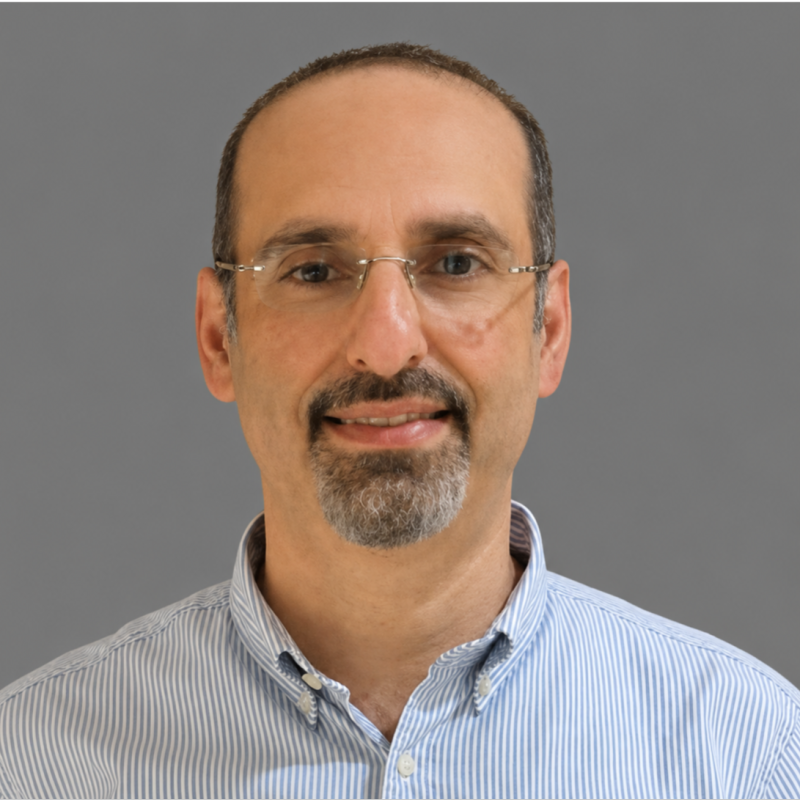
Portrait of Professor Fabio Casati

Keynote 4

Professor Fabio Casati

  • Principal AI Architect, ServiceNow
  • Professor, University of Trento, Italy
Keynote Title

TBA

Abstract

TBA

Biography

Fabio Casati is Principal AI Architect at ServiceNow and Professor at the University of Trento. His work focuses on designing, architecting, and deploying AI-powered workflows for enterprise customers. His current research interests include conversational knowledge and intent elicitation, agent-centered knowledge management, and wellbeing studies in AI agents. His broader research contributions include influential work on wellbeing for older adults, which has informed policy decisions in several countries, as well as recent work on conversational clustering.